08.06.2026

Coffee preparation: The most famous types of coffee worldwide

Coffee is much more than just a beverage. It is a ritual, a moment of enjoyment, and a central part of the guest experience. Whether in a café, hotel, restaurant, office, or convenience store - guests today expect a wide selection of specialty coffees of consistently high quality. At the same time, interest in different types of coffee, brewing methods, and countries of origin is growing.

From Italian espresso to Australian flat white to Viennese melange, numerous coffee variations have established themselves worldwide. Each type tells its own story and delights with its own unique taste, aroma, and character.

For restaurant and café operators, however, this diversity also presents a challenge: How can a wide variety of beverages be prepared efficiently, consistently, and to premium quality standards?

In this article, we introduce the world’s most famous types of coffee, explain their unique characteristics, and show the role modern coffee systems play in coffee preparation.

Cappuccino and Latte Art in a Cup

Cappuccino – The Italian Classic

Few coffee specialties are as well-known worldwide as the cappuccino. Traditionally, it consists of an espresso, hot milk, and a thick layer of milk foam.

The classic ratio is roughly one-third espresso, one-third milk, and one-third milk foam. This balance creates a harmonious flavor that combines intensity and creaminess.

In Italy, cappuccino is traditionally drunk mainly in the morning. Today, it is one of the most popular coffee drinks around the globe.

For many guests, the cappuccino is the perfect combination of strong coffee and pleasantly smooth milk.

Espresso – The Heart of the Coffee World

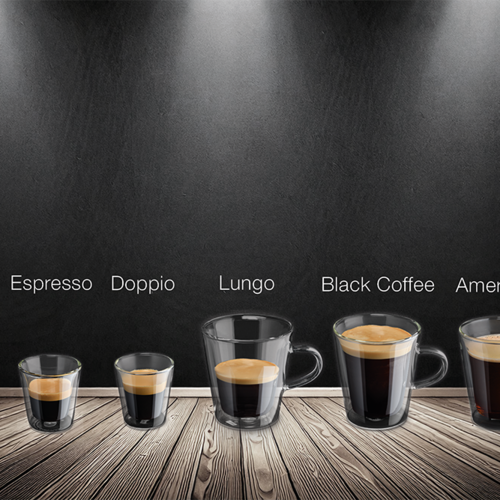
Espresso is considered the origin of many modern coffee specialties. It is prepared under high pressure, with hot water being forced through finely ground coffee in a matter of seconds. The result is a small, concentrated cup of coffee with an intense aroma and a golden-brown crema.

Especially in Italy, espresso is an integral part of daily life. At the same time, it forms the basis for numerous other beverages such as cappuccino, latte macchiato, caffè latte, or flat white.

The quality of an espresso depends on various factors: the coffee bean, the grind size, the water temperature, and the extraction time. High-quality espresso roasts are often based on carefully selected Arabica beans or balanced blends of Arabica and Robusta.

Espresso in a cup
Caffè Latte

Caffè Latte – The Mild Alternative

The caffè latte originated in Italy and is traditionally served for breakfast. Compared to the latte macchiato and cappuccino, it contains significantly more hot milk and only a thin layer of microfoam.

The ratio is often around 1:3—one part espresso to three parts milk. Caffè Latte is usually served in a large cup rather than a tall glass.

The main difference from the latte macchiato lies in the preparation. While the milk is poured into the glass first for the latte macchiato, the espresso is extracted first for the caffè latte and then topped off with hot milk.

The result is a particularly well-balanced drink in which the aromas of the coffee bean remain more pronounced.

Latte Macchiato – The Master of Layers

The latte macchiato is a delight not only in taste but also in appearance. What makes it special is how it’s prepared: First, hot milk is poured into a tall glass. Then the espresso is carefully added.

This creates the typical three layers of milk, coffee, and milk foam. The ratio is often about 1:5—one part espresso to five parts milk.

Thanks to the high milk content, the latte macchiato has a particularly mild and creamy taste. This drink is especially popular among guests looking for a gentle introduction to the world of coffee.

Latte Macchiato
Americano on wood in the spotlight

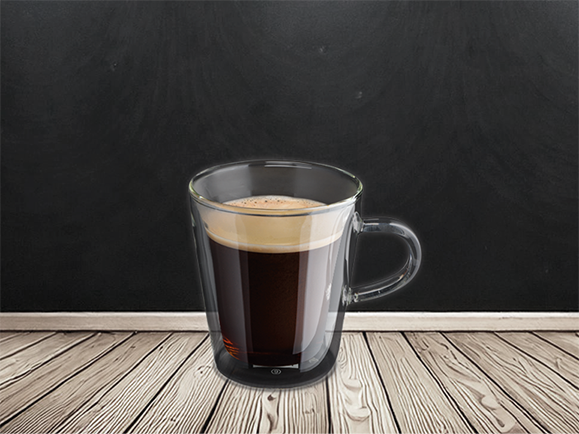
Americano - The long espresso

The Americano was created out of a desire for a less intense coffee. It is made by adding hot water to an espresso.

Visually, the drink resembles filter coffee, but it has the typical flavors of an espresso. Especially in North America, the Americano is one of the most popular coffee drinks of all.

Cortado – The Spanish specialty

The cortado originated in Spain and combines espresso with an equal amount of warm milk. The milk reduces the coffee’s acidity without masking its character. The result is a well-balanced drink for anyone who loves the intense flavor of coffee but prefers a slightly milder taste.

Kaffee mit Latte Art mit Pflanze und Frühstück auf Tisch
Flat white on wood with black background

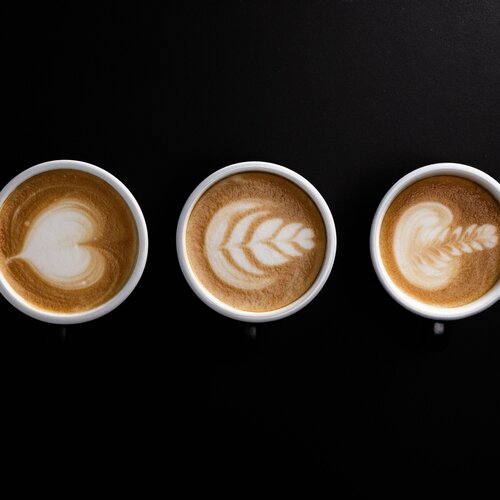
Flat White – The Star of the Specialty Coffee Scene

The flat white originated in Australia and New Zealand. Its popularity has grown significantly worldwide in recent years.

It is characterized by a double shot of espresso and finely textured microfoam. Unlike a cappuccino, the flat white contains significantly less visible foam, which allows the coffee flavor to take center stage.

Many coffee lovers appreciate the flat white as the perfect balance between a strong espresso and velvety milk.

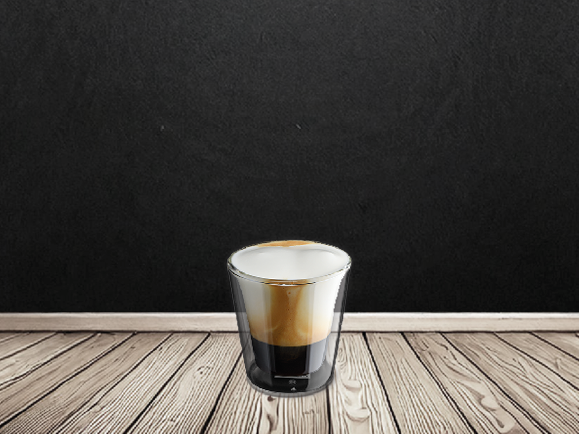
Espresso Macchiato – Small but intense

An espresso macchiato consists of an espresso that is simply "marked" with a small dollop of milk foam.

The name "macchiato" means "spotted" or "marked" in Italian. The coffee's flavors are clearly the main focus, while the milk foam adds a subtle creaminess.

Espresso macchiato on wooden floor with black background
Filter coffee preparation on gray table in coffee academy

Filter Coffee – The Renaissance of a Classic

Filter coffee is experiencing a remarkable resurgence worldwide. More and more guests are discovering the subtle flavor nuances that this method of coffee preparation can bring out.

With this method, hot water slowly flows through the ground coffee. The result is a clear cup of coffee that highlights the origin, roast, and bean particularly well.

Many coffee experts consider filter coffee one of the best ways to enjoy high-quality Arabica coffee.

Café Crème – The Swiss Classic

Café Crème is one of the most popular coffee drinks, especially in Switzerland. It is prepared in a similar way to espresso, but with a larger amount of water.

This results in a larger cup of coffee with a balanced flavor and a fine crema. Café Crème combines the intensity of an espresso with the volume of a classic cup of coffee.

Coffee latte art in a cup
Coconut Cold Brew Rezept

Cold Brew – Coffee Reimagined

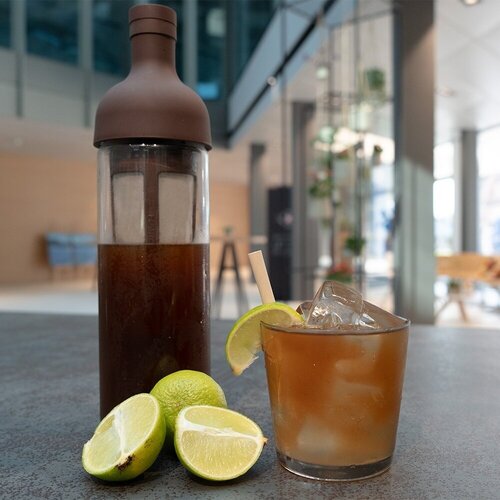
Cold brew is not made with hot water, but is extracted over many hours using cold water.

This slow coffee brewing process produces a beverage with low acidity, natural sweetness, and a particularly smooth flavor.

Cold brew is enjoying growing popularity in cafés worldwide, especially during the summer months.

The Importance of the Coffee Bean

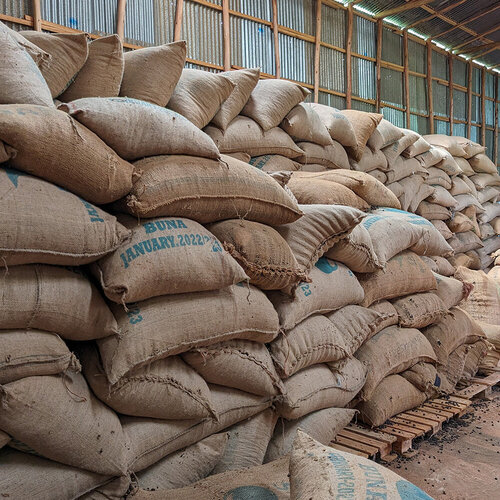
Every cup starts with the bean. The quality of the coffee bean has a decisive influence on a coffee’s aroma, flavor, acidity, and body.

Arabica beans are particularly popular. Arabica coffee is characterized by complex fruity notes, delicate acidity, and a wide range of aromas.

Depending on how the bean is roasted, additional notes of chocolate, caramel, nuts, or fruit emerge. Only when the bean has been roasted to perfection can it reach its full potential.

Hands with unroasted coffee beans
Thermoplan Chilled Foam function

Modern coffee brewing with professional machines

The wide variety of coffee drinks presents significant challenges for foodservice establishments. Guests expect every cappuccino, flat white, and latte macchiato to be served with the same high quality every time.

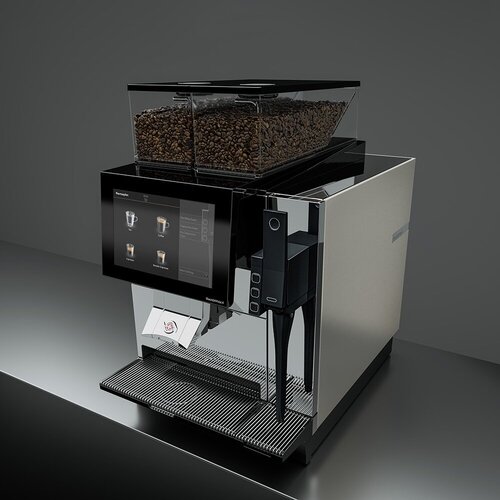
Modern fully automatic coffee machines enable precise extraction, exact dosing of water and coffee, and perfectly calibrated milk frothing technologies. This allows for the efficient and consistent preparation of a wide variety of beverages.

Temperature, consistency, and frothing quality play a crucial role, especially in milk-based specialty drinks.

Thermoplan: International coffee variety at the touch of a button

If you want to offer your guests a wide variety of specialty coffees, you need a machine that meets the highest standards of quality, consistency, and efficiency.

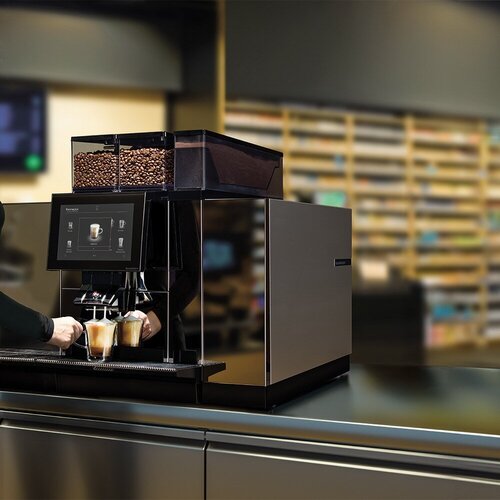
Thermoplan’s fully automatic coffee machines are designed to reliably prepare a wide variety of coffee drinks with consistently high quality - from espresso and café crème to cappuccino, flat white, caffè latte, and latte macchiato.

Thanks to precise brewing technology, intelligent milk frothing systems, and customizable recipes, establishments can serve their guests the perfect coffee every time.

Espresso Macchiato from Black&White coffee machine

Conclusion: The world of coffee is more diverse than ever

The world’s most famous types of coffee tell stories of tradition, innovation, and regional preferences. While classics like espresso, cappuccino, and café crème have been an integral part of coffee culture for decades, modern specialties such as flat white and cold brew have secured their place on drink menus.

Whether Italian-inspired, modernly interpreted, or traditionally prepared—every cup offers a unique taste experience. With high-quality coffee beans, the right preparation, and the right machine, you can create exactly the right drink for every guest to suit their individual preferences.

One thing, however, unites all coffee variations: a passion for excellent coffee.

You might also like

Obstbrände SempacherseePhotovoltaikanlage, SolartechnikBüroplanung ZürichBüroplanung LuzernPhotovoltaik FassadeBrandingPlafondnova - Deckensysteme WandsystemePhotovoltaikAG kaufen, AG verkaufen und AG gründenKüchenbau nach MassBlechverarbeitung und DrahtverarbeitungMetallbau, Balkonverglasung, SitzplatzverglasungSchule für Massage, Kosmetik, FusspflegeWebagentur LuzernFirmenmantel verkaufenAG Mantel verkaufenKaminfeger Koch :: Kaminfaegerdienst, Feuerungskontrolle, Brandschutz