06.07.2026
10 min.

Where does my coffee come from?

The Origins and Differences Among the Major Producing Countries

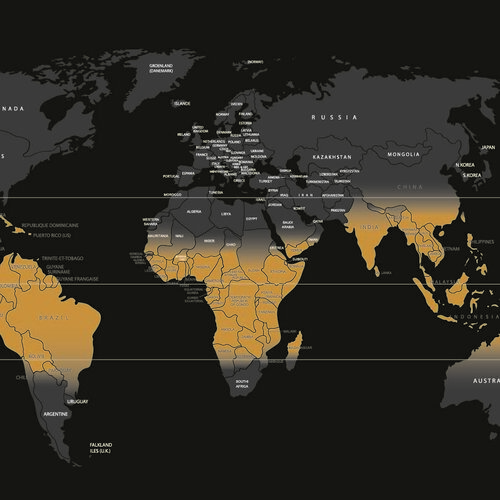
Coffee is one of the most popular beverages worldwide today, but every cup of coffee begins long before roasting or brewing: in the coffee fields around the so-called “Coffee Belt.” This belt encompasses countries between the Tropic of Cancer and the Tropic of Capricorn, where climatic conditions are ideal for coffee cultivation.

The true birthplace of coffee is Ethiopia. Wild Arabica coffee plants—the original form of Coffea arabica—still grow there today. From there, coffee spread throughout the world via the Ottoman Empire and Yemen. Today, Brazil, Vietnam, and numerous countries in Central and South America are among the most important coffee producers and have a decisive influence on the global coffee market.

The countries of origin have a particularly strong influence on flavor and aroma. This is because, depending on the region, not only do the growing altitude and processing methods differ, but the sensory profile in the cup also varies significantly. A comparison between Costa Rica, Nicaragua, Vietnam, and Brazil shows just how diverse coffee really is and why choosing the right bean is crucial for the best coffee.

Where and how is coffee grown? The ideal climatic conditions

Coffee plants thrive exclusively under specific climatic conditions. They prefer mild temperatures year-round, sufficient rainfall, and nutrient-rich soil. Depending on their origin, coffee plants grow at sea level or at high altitudes of over 2,000 meters.

It takes about three to four years for an Arabica or Robusta plant to bear fruit for the first time. With proper care, it can then produce coffee cherries for several decades. Coffee cultivation therefore requires patience and expertise.

The most important factors influencing flavor and aroma are:

  • Altitude and climate (high-altitude regions promote more complex aromas)
  • Soil composition and nutrient content
  • Plant variety (Arabica, Robusta, or Liberica coffee)
  • Harvesting and processing methods

While highland regions typically produce complex, fruity coffees, lower-altitude areas often yield stronger, full-bodied profiles. After the coffee harvest, the beans are processed using methods such as washed, natural (sun-dried), or honey processing. This processing has a decisive influence on the final flavor profile and contributes to the coffee’s high quality.

Weltkarte mit Kaffeeguertel
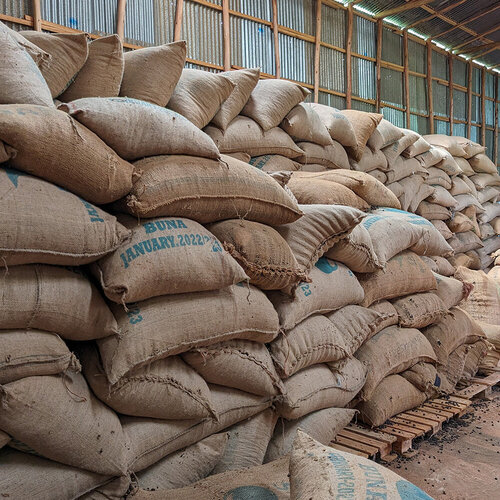
Kaffeesack mit Specialty Coffee und Kaffeebohnen

Arabica or Robusta—which bean is better?

The two main types of coffee are Coffea arabica and Coffea canephora (Robusta).

Arabica coffee grows primarily at higher altitudes and develops delicate, complex flavors with fruity and floral notes. That’s why Arabica beans are often used for high-quality specialty coffees. Arabica varieties such as Bourbon or Typica are considered by many coffee lovers to be the best coffee.

Robusta coffee (Coffea canephora) thrives even at lower altitudes, contains significantly more caffeine, and is characterized by a full body and intense roasted flavors. Robusta often provides a stable crema and more body, especially for espresso. Robusta beans offer a different sensory experience than Arabica beans.

Which coffee bean is better depends less on the variety than on the desired flavor. While Arabica often impresses with its elegance, Robusta coffee delivers intensity and strength. Whole beans or ground beans—both forms have their advantages.

What Is Specialty Coffee? The Standard for High Quality

Coffees of particularly high quality are referred to as specialty coffee. This is not a separate coffee variety, but rather a quality category.
Coffees are considered specialty coffees if they score at least 80 out of 100 points during a professional cupping by a Q-grader, in accordance with the standards of the Specialty Coffee Association (SCA). International standards support this evaluation. Among other things, the following are evaluated:

  • Aroma and flavor
  • Acidity and sweetness
  • Body and aftertaste
  • Balance and flawlessness
  • pH level and sensory complexity

Unlike traditional commercial coffee, specialty coffee often comes from clearly defined growing regions or even individual farms. The beans are harvested, processed, and roasted with particular care, often using an S-shaped roasting curve, which allows the unique notes of their origin to shine through much more clearly.

Kaffee Geschmacksrad
Coffee Plantation in Costa Rica

Costa Rica: Precision and Refined Elegance

Costa Rica is one of the world’s best-known specialty coffee regions. The country focuses almost exclusively on Arabica coffee and has established strict quality standards for its cultivation.

Typical characteristics:

  • Grown at high altitudes (1,200–1,800 m above sea level)
  • Highly controlled processing (often “washed”)
  • Clear, clean flavor profiles in the cup

In terms of flavor, Costa Rican coffee is characterized by a lively acidity, citrus notes, and a balanced sweetness. The profiles often evoke red berries, honey, or tropical fruits—ideal characteristics for drip coffee and specialty coffee.
Nicaragua: Mellow sweetness and balanced body

Nicaragua primarily produces Arabica coffee from smallholder farms. The growing regions are mostly located at medium to high altitudes, which results in a harmonious flavor profile and contributes to the country’s status as a major global exporter.

Typical characteristics:

  • Fertile volcanic soils and optimal climatic conditions
  • Often natural or washed processing
  • Mild acidity

In the cup, Nicaraguan coffee often comes across as smooth and rounded, with notes of chocolate, nuts, and subtle fruit. It is considered particularly approachable and versatile—suitable for both drip coffee and espresso.

Kaffeebohnen
Steile Arabica Kaffeeplantage mit Kaffeekirschen

Brazil: Body, Sweetness, and Hints of Chocolate

Brazil is the world's largest coffee producer and plays a decisive role in the global coffee market. Production is highly industrialized and includes both Arabica and Robusta (Conilon).

Typical characteristics:

  • Large cultivation areas at various altitudes
  • Mechanized harvesting in many regions
  • Diverse processing methods

Brazilian coffee is known for its full body, low acidity, and sweet notes. Aromas of chocolate, caramel, and nuts often dominate. As a result, it serves as an important base in many espresso blends and is known for its high quality and consistent extraction.

Vietnam: Robust Robusta and an intense body

Vietnam is the world's largest producer of Robusta coffee. These beans contain significantly more caffeine and have a more intense flavor than Arabica.

Typical characteristics:

  • low to medium growing altitudes
  • Focus on Robusta varieties
  • High yields and efficient production

In the cup, Vietnamese coffee is bold, earthy, and often has notes of bitter chocolate. It particularly reveals its characteristic, intense flavor in traditional preparations, such as with condensed milk.

Nature Photo: Coffee Plantation in Vietnam
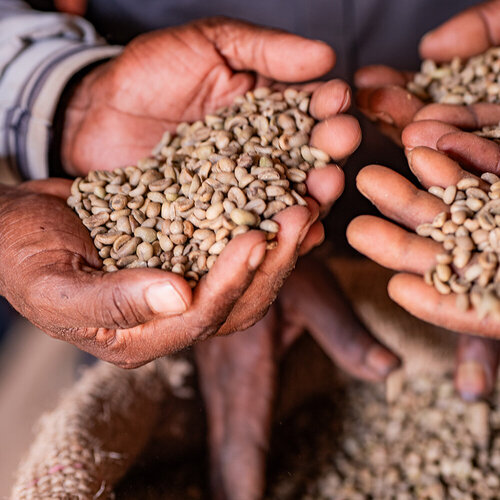
Hands with unroasted coffee beans

How can you tell if coffee is high-quality?

Origin alone does not determine quality. High-quality coffee is characterized by several features:

  • As fresh a roast as possible (ideally roasted within the last 2–4 weeks)
  • Traceable origin down to the farm or region
  • Careful harvesting of ripe coffee cherries
  • Gentle processing and optimal brewing temperature (90–96 degrees Celsius)
  • High-quality Arabica beans or excellently processed Robusta beans
  • Highest possible ratings, for example according to the SCA standard
  • Available as whole beans for maximum aroma

For special needs, decaffeinated coffee that meets high-quality standards is also available. By keeping these criteria in mind, it’s much easier to find coffees with a clean and balanced flavor profile—whether online or at specialty coffee shops.

What kinds of specialty coffees are there? From espresso to French press

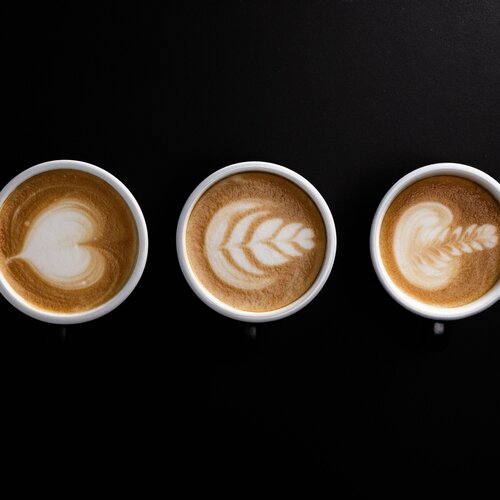
Depending on the beans, roast, and amount of milk, a wide variety of specialty coffees can be created. Among the most popular are:

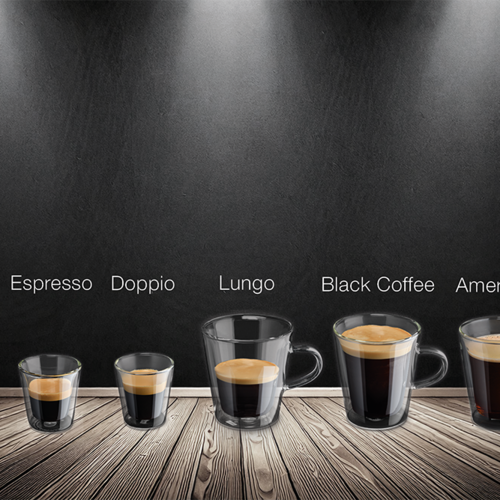
  • Espresso – concentrated coffee with an intense aroma and crema
  • Cappuccino – espresso with frothed milk and a fine layer of milk foam
  • Latte Macchiato – plenty of milk with espresso and milk foam
  • Flat White – espresso with fine-pored microfoam and a strong coffee flavor
  • Caffè Latte – a mild milk coffee with a high milk content
  • Americano – espresso diluted with hot water
  • Filter coffee – particularly well-suited for highlighting the subtle aromas of different countries of origin and Arabica varieties
  • French Press – a brewing method that emphasizes the coffee’s full body and flavor
  • Classic Cup of Coffee – a timeless preparation method using hot water

The choice of coffee specialty influences which flavor nuances of a coffee bean are particularly brought out. Modern coffee systems enable precise extraction at the optimal temperature to release the full aroma.

Hand grips coffee cup with latte art on black background

Conclusion: Origin Determines Character – Coffee from Around the World

Whether it’s the elegant freshness of Costa Rica, the balanced sweetness of Nicaragua, the rich, chocolatey depth of Brazil, or the powerful intensity of Vietnam, each origin brings its own flavor profile. Every cup of coffee tells the story of its origin.

Equally crucial are cultivation, processing, roasting, and the quality of the coffee bean. Specialty coffee impressively demonstrates how strongly origin, care, and sustainable practices can shape flavor and quality.

For consumers worldwide, the best coffee is not just a product—it is an expression of its origin, the passion of coffee farmers, and the artisanal expertise of roasters and baristas. Whether purchased from an online store or inspired by the first coffeehouses of the Ottoman Empire, coffee connects people and cultures.

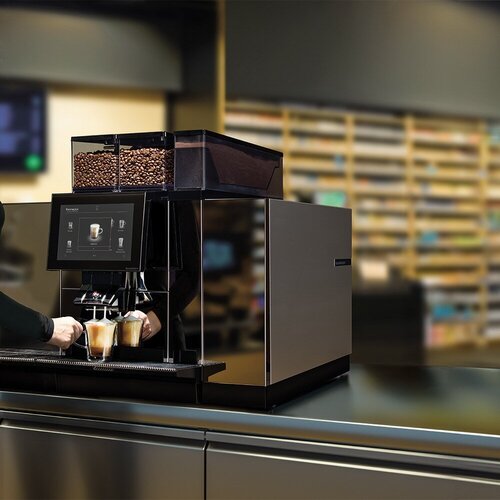
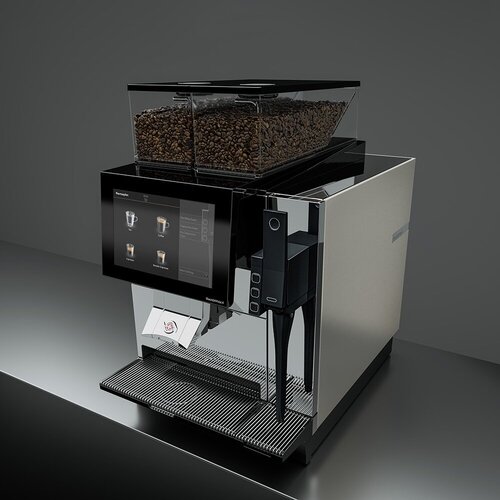
Modern coffee systems, such as those from Thermoplan, enable precisely this diversity: They ensure consistently high-quality extraction with precise temperature control and bring out the sensory identity of each origin to its fullest potential.

You might also like

Verpackungsdesign LuzernSEO Agentur SurseeWebdesign SurseeMPA Stellen Schweiz – passende Jobs im medizinischen UmfeldWebagentur LuzernBrandingWebdesign LuzernWebagentur SurseeIT Security LuzernBranding Agentur LuzernPhotovoltaikanlage, SolartechnikSEO Agentur LuzernWaldis Berry BüroplanungBlechverarbeitung und DrahtverarbeitungBodenbeläge Chur, GraubündenBürogestaltung Luzern ZürichPlanung von professionelle Innenbeleuchtung